
The Hidden Bottlenecks in Air Ambulance Cabin Layouts
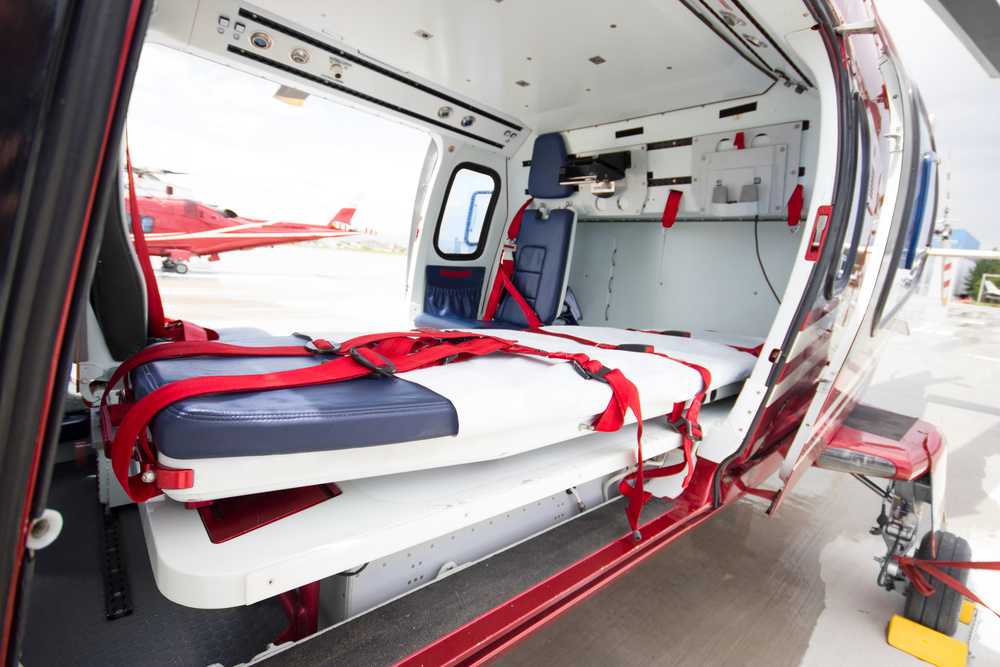
Air ambulance interiors should be spacious and comfortable for the medical team and their patients. There should be enough room for the medical staff, the patients, their family members (if any), all of the required equipment and supplies. Despite everything, there remain many obstacles that need to be overcome along the way. When flying, the hidden flaws in air ambulance design can create difficulties. Below, you can find out the list of the bottlenecks that may affect patient care.
Access to the Patient
Within a lot of air ambulance cabins, getting to the patient can prove to be hard. There are some aircraft where access is available only from one side of the cabin or exclusively from the head of the stretcher. Having limited access means that if any medical problems arise during the flight, the crew may not be able to provide prompt help and treatment.
Placement of Equipment
Also, the placement of the equipment should be taken into account. It is important that all of the necessary devices are accessible. Improperly placed equipment will lead to lost time for the crew as they struggle to work efficiently. In some cases, they have to stack the medications and other supplies on the floor or right on the stretcher since there is no other place. Making sure the equipment can be found quickly no matter the circumstances and that it is kept in a specific place is very important.
Smart Design
Many of the above mentioned problems can be avoided by planning the cabin properly. According to the team at LifePort, the best interior layouts for medical helicopters are the ones that are based on the work of the crew, not on the equipment storage. Using mounting systems that secure the equipment firmly in place while still allowing easy access is very helpful. In addition, having stretchers that can be reached from multiple sides will make it easier to care for the patient.
Loading and Unloading
Loading and unloading of the helicopter is affected by the cabin layout as well. There can be some seats, cabinets or equipment placed close to the door which make it hard to load the stretcher.
Read More: The Tennessee Men’s Clinic on 7 Key Reasons Why Healthy Weight Management Is Crucial for Men
Such circumstances may result in holdups at the helipad and put added pressure on the crew’s shoulders and back. Frequently, those obstacles only become apparent once the aircraft has been put into use. It is very important to ensure that some space is left between the door and the patient.
Comfortable Working Environment for the Crew
The members of the medical team have to work in uncomfortable positions for a long time. They also need to twist and lean to perform their job. Non-adjustable seats or seats that are facing the opposite direction will increase the risk of injury. Sliding or rotating seats will allow the members of the medical team to work more comfortably.
Flexible Interior Design
Different missions mean that different interior design of the cabin will be needed. At times, the crew may find themselves required to attend to a trauma patient or to take responsibility for caring for a newborn child. The rigid interior of the cabin won’t be suitable in the latter case. That is why some operators choose modular interiors that can be easily adapted to the particular mission.
Conclusion
The way the air ambulance interior is designed can create several bottlenecks that could impact how efficiently it operates. In order to make a well-informed decision or enhance the current system, it is necessary to carefully evaluate all aspects of the crew’s work within the cabin.
Read More: The Rise of the “Just Add Water” Household