
The Secret Role Nutrition Plays in Your Dog’s Happiness
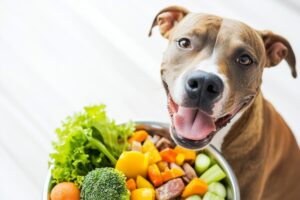
Your dog’s tail wags don’t reveal the entire picture when you feed it. Appetite isn’t as important as the food itself. The food your dog eats impacts their health. Consider how you might feel after three days of junk food. Probably not great. Dogs go through the same thing. Except they can’t raid the fridge for something better when we keep buying the same bag of kibble month after month.
The Brain-Belly Connection
Your dog’s gut talks to its brain constantly. Millions of nerve cells in their stomachs send signals that affect mood and behavior. A happy belly really does mean a happy dog. Bad food creates stressed dogs. They pace around the house. They bark at nothing. They no longer enjoy walks or toys. Dogs who eat good food stay calm in storms and heed your recall in parks. They are worlds apart. Some nutrients can act like mood boosters that give a feeling of well-being. Omega-3s can soothe the mind and B vitamins increase brain chemicals that improve mood. Brands like Nextrition sell gut-healthy dog treats. Trats that promote the good bacteria for stable temperament and digestion.
Energy and Playtime
Cheap dog food is like using diluted gasoline in your car. It might run, but don’t expect much. Good calories fuel dogs’ energy for endless fetch. Watch dogs at any park and you’ll spot the difference. Some dogs sprint around for an hour straight. Others collapse after five minutes of a weak trot. Usually, it’s because of their breakfast. Good carbs provide steady fuel all day long. Solid protein rebuilds muscles after exercise. Without these basics, even young dogs move like they’re ancient.
The Comfort Factor
Nobody’s happy when they’re uncomfortable, and dogs deal with all sorts of food-related misery we don’t always notice. They go crazy from itchy skin caused by poor nutrition. Think about how you’d feel wearing a wool sweater that won’t come off. That’s what a dog with diet-triggered skin problems feels like.
Without proper nutrients, dogs experience increased joint pain. They may pause before getting on the couch. They will take the stairs slowly. These little changes add up to a less joyful life. Then there’s stomach trouble. Gas, loose stools, constipation; none of these make for a cheerful pup. A dog with tummy problems won’t want to play. They definitely won’t appreciate cuddle time. Fix digestion, and they’ll brighten up.
Finding the Sweet Spot
You don’t need fancy equipment or special training to feed your dog better. Just flip that bag over and actually read what’s in there. Can you pronounce everything? If corn or byproducts are listed first, don’t buy it. Your dog will let you know when the food is right. More energy during walks. Better focus when learning tricks. That goofy smile that makes you laugh. Small signs add up to big improvements in their daily happiness. Age matters too. Puppies need different fuel than senior dogs. Energetic breeds expend calories quicker than lazy ones. A Chihuahua’s needs differ from a German shepherd’s. Dog nutrition is not a one-size-fits-all situation.
Conclusion
Money spent on decent food comes back to you in spades. A healthy, happy dog means fewer vet bills. More fun at the beach. Better behavior at home. Those extra dollars per bag buy you a companion who’s actually present and engaged instead of sluggish and grumpy. The connection between food and joy isn’t complicated. Feed garbage, get garbage results. Feed real nutrition, get a real companion. Your dog depends on you to make the right choice. Their happiness literally sits in your hands every time you pour that bowl.